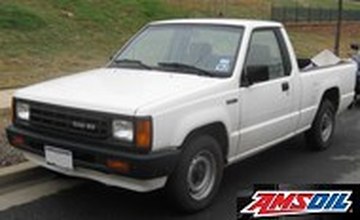
Lubrication Maintenance for the 1982 Dodge Trucks D50 PICKUP 2.0L
Maintaining the engine lubrication system in a vehicle like the 1982 Dodge Trucks D50 PICKUP requires consistent attention to fluid condition and component integrity. Because this vehicle is an older model, the approach to maintenance should focus on monitoring current operating conditions and responding to any changes in how the engine behaves during routine use.
Monitoring Fluid Integrity and Condition
One of the most effective ways to monitor the health of the 2.0L engine is through regular observation of the lubricant itself. When performing routine checks, it is useful to look for several indicators that may suggest a need for service or further investigation:
- Color and Clarity: While oil naturally darkens over time due to use, extreme discoloration or a milky appearance can be an indicator of contamination.
- Consistency: The texture of the oil should remain relatively uniform. Any significant presence of particulate matter or unexpected grit warrants immediate attention.
- Odor: Unusual smells associated with the engine oil can sometimes indicate that the lubricant has been exposed to extreme heat or other external contaminants.
If you notice any sudden changes in how the oil looks or smells, it is important to investigate the cause rather than simply adding more fluid. These symptoms can have multiple origins, ranging from environmental factors to internal engine processes, and a professional inspection may be necessary to determine the exact source.
Observing Potential Warning Signs
Beyond the direct inspection of the oil, owners should remain attentive to how the vehicle operates during daily driving. Certain physical signs can serve as early indicators that the lubrication system or related engine components require a closer look. For instance, if you notice an unusual mechanical noise that coincides with engine operation, this could be associated with various internal factors. Similarly, any visible evidence of fluid seepage around the engine block or under the vehicle should be treated as a priority for inspection.
It is also helpful to monitor the exhaust. While exhaust characteristics can be influenced by many different systems, changes in smoke color or frequency may indicate that something is entering the combustion process that should not be there. Rather than attempting to diagnose a specific component based on these signs alone, use them as prompts to schedule a thorough mechanical evaluation.
Prioritizing Maintenance Based on Current Condition
For an older vehicle such as this 1982 Dodge Trucks D50 PICKUP, maintenance decisions are often most effective when they are based on the actual state of the machine rather than just its age. If you have recently acquired the vehicle or if service records are incomplete, establishing a baseline is a practical first step. This involves performing a comprehensive inspection of all accessible fluids and components to understand the current "starting point" for the vehicle's health.
When managing maintenance tasks, consider the following hierarchy of priorities:
- Address Active Issues: If there is evidence of an active leak or a visible warning light, these should be addressed before moving on to general preventive tasks.
- Review Service History: Look for patterns in previous repairs. Consistent maintenance history can provide confidence, while gaps in records may suggest that certain components need more frequent inspection.
- Monitor Consumption: Keep track of how much lubricant is required between service intervals. A sudden increase in the amount needed to maintain proper levels is a significant indicator that requires investigation.
By focusing on condition-based maintenance, you can distinguish between necessary repairs and unnecessary parts replacement, ensuring that resources are directed toward the areas that most impact the vehicle's continued operation.
Inspecting Aging Components and Seals
As vehicles age, various materials used in their construction may undergo changes. When performing routine service on this 2.0L engine, it is wise to inspect accessible gaskets and seals for signs of age-related seepage or leakage. While a small amount of "sweating" can sometimes be seen on older engines, any active drip or significant accumulation of fluid should be investigated.
Additionally, if the vehicle is equipped with various drive belts, these should be checked for signs of deterioration such as cracking, glazing, or fraying. Similarly, if there are visible hoses present in the engine bay, inspect them for softness, brittleness, or bulging. Maintaining these peripheral components helps ensure that the overall environment around the engine remains stable and free from unexpected failures.
The Role of Clean Lubrication
Engine oil performs several vital roles that are essential for the continued operation of the 2.0L engine. Beyond simply reducing friction between moving parts, the lubricant plays a significant role in heat management by helping to carry thermal energy away from high-temperature areas. It also acts as a cleaning agent, helping to suspend microscopic particles so they can be captured by the oil filter.
Over time, all lubricants undergo chemical changes due to exposure to heat and combustion byproducts. This process can lead to the formation of deposits or sludge if the oil is not changed according to an appropriate schedule. Maintaining fresh, high-quality lubricant helps ensure that these cleaning and cooling functions remain effective, which is a key aspect of long-term engine care.
Practical Guidance for Buying Engine Oil for your 1982 Dodge Trucks D50 PICKUP 2.0L
When it is time to replenish the lubricant in your vehicle, the most important step is to ensure that the product you select matches the specific requirements of your engine. To avoid errors, always match the engine oil to the application-specific viscosity information already displayed on this webpage.
Before making a purchase, consider the following practical tips:
- Verify Product Labels: Always check the physical container to ensure the SAE viscosity and API service classifications align with the data provided for your specific 1982 Dodge Trucks D50 PICKUP.
- Evaluate Formulations: Depending on your needs, you may choose between conventional oil, synthetic blends, or full synthetic options. Some high-mileage oil formulations also contain additives intended for use in aging engines, including seal-conditioning additives.
- Check Certification: Ensure the oil carries the appropriate modern API certification to confirm it meets current standards for quality and performance.
By following the application-specific information provided on this page, you can select a lubricant that is appropriate for your engine's current condition and operating requirements.